


A flex in corporate America, AI ‘tokenmaxxing’ fades as workplaces look to cut tech spending
A flex in corporate America, AI ‘tokenmaxxing’ fades as workplaces look to cut tech spending

By MATT O'BRIEN Tue, July 28, 2026 at 4:01 AM UTC
0
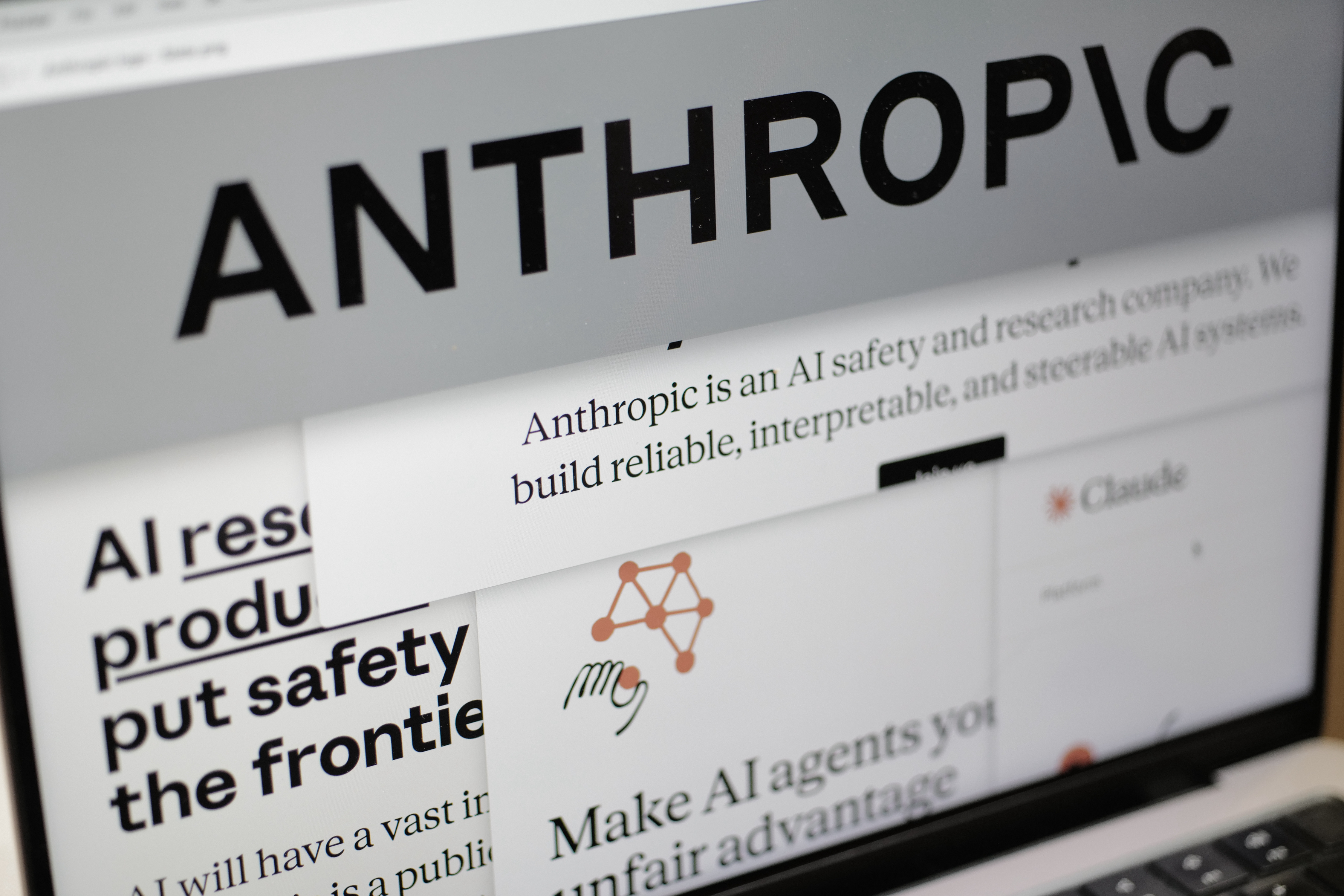
A corporate fad of “tokenmaxxing” on artificial intelligence technology is hitting its limits as workplaces throwing AI at everything are seeing the costs rise without a similar spike in productivity.
What started as tech industry-fueled springtime hype over squeezing as much AI-generated work as possible out of products like OpenAI's ChatGPT and Anthropic's Claude has shifted to a summertime backlash.
“It's very easy to create something you don't need with AI,” said Vincent Gusdorf, head of AI analytics at Moody's Ratings and author of a new report that recommends a more disciplined approach.
"Tokenmaxxing” refers to maximizing usage of tokens — the building blocks of generative AI that correspond to small pieces of text that an AI system reads or writes. Each token is about three quarters of a word. And there's typically a limit to how many you can use, with pricier versions of AI products offering higher caps.
“As bills started to pile in, people realized that those new tools are quite expensive and you need to use them wisely,” Gusdorf said.
Tech executives cast high AI usage as a badge of honor
Just a few months ago, Silicon Valley executives were promoting high token consumption as a signal of high-performing employees. The stereotypical tokenmaxxer was staying up late — perhaps ignoring their significant other — while orchestrating an army of 24-hour AI agents performing work on their behalf.
OpenAI CEO Sam Altman said in May he was “excited to see what will happen with tokenmaxxing startups, both for how they work internally and the products they can build.”
Nvidia CEO Jensen Huang said “if your $500K engineer isn’t burning $250K in tokens, something is wrong.” Facebook parent Meta had an internal competition rewarding token usage.
The trend boosted revenue for leading AI large language model developers like Anthropic and OpenAI, but it fizzled as it became apparent it wasn't necessarily the best strategy for everyone else.
Microsoft CEO Satya Nadella has admitted that tokenmaxxing can be addictive but warned in a recent blog post that customers of those models are paying twice for AI, first in spending on tokens and second by feeding all their proprietary data to them. While promoting Microsoft's own approach, Nadella's comments were unusual in the way he raised doubts about the data protection assurances of leading AI providers.
Palantir CEO Alex Karp went further, telling CNBC earlier this month that something had gone “completely wrong.” He said he was channeling the voice of American businesses privately “livid” about paying so much for tokens that create no value.
“The basic view among enterprises in this country is, 'I’m going to chillax and waste my time with tokens. I'm going to get no value and they're going to get my IP,” Karp said.
Advertisement
Workplaces look more for better ‘routing’ of their AI work
Bain & Company management consultant Jue Wang said many of the big businesses her firm advises have been taking a closer look at returns on their AI investments.
“The token cost for them has been doubling, almost every other month,” she said. “Let’s say $200 per developer per month. Multiply that by 20,000 developers, which is often what we’re dealing with at these companies, and that quickly gets you to a number that is not a line item that any general manager has planned for.”
Sometimes that just means not using the AI equivalent of a sledgehammer to crack a nut.
“Not everything needs a Claude Opus 4.6,” she said of one of Anthropic's more capable models suited to software engineering or deep research. “And yet you see so many companies, so many users, default to using Opus for everything, including generating emails.”
That's led to a search for tools that do AI “model routing” — in which easier queries get automatically sent to cheaper and more efficient AI systems and more complex tasks go to more powerful models.
Open-source AI models built in China offer less costly alternatives
Software developer Hassan El Mghari said companies' sticker shock over the “ridiculous amount of money” spent on subscriptions to AI products from leading U.S. companies has led many away from rewarding high usage.
“It’s better to kind of just empower employees on how to use this stuff and let them use AI when and however much they need to,” said El Mghari, who leads developer experience at the startup Together AI, which supplies developers with a variety of “open-source” AI models.
At the same time, those who favor racking up as many tokens as possible are having a field day with new open-source models from Chinese startups like Moonshot's Kimi or Zhipu's GLM, which nearly match the capabilities of top U.S. models at a fraction of the price.
“There is some validity to the theory that this could push tokenmaxxing a little bit further,” said Raffi Krikorian, the chief technology officer at Mozilla. “But if we look at the industry overall, I think it's realizing that tokenmaxxing is a dumb thing.”
It's similar, Krikorian said, to how software companies once considered how many lines of code a programmer wrote to be a good metric of productivity. That later fell out of favor.
“I think tokenmaxxing is moving through the exact same pattern,” he said. “I think this is going to be an interesting blip that we’re all going to look back to laugh at in a year.”
Source: “AOL Money”
