


BP deals hammer blow to hopes of a North Sea revival
BP deals hammer blow to hopes of a North Sea revival

Jonathan LeakeFri, July 31, 2026 at 10:57 AM UTC
0
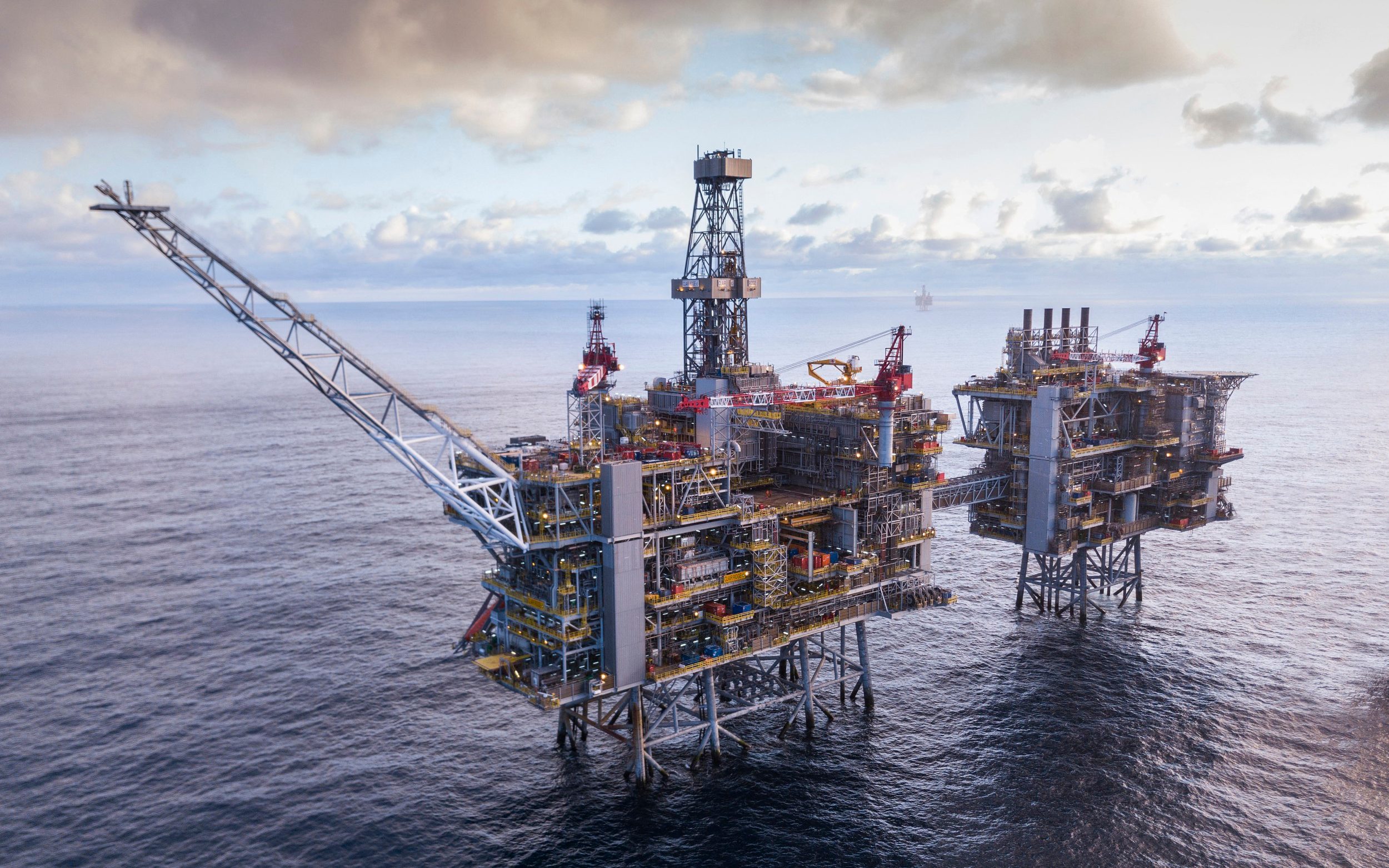
BP has five operational rigs across the North Sea - STUART CONWAY/AFP
Andy Burnham has said Britain “cannot ignore” North Sea oil and gas, pledging to take a more “pragmatic” approach to drilling in the basin than his predecessor.
Yet if the new Prime Minister was hoping to reverse the precipitous recent decline of the UK oil and gas industry, he has just been dealt a major blow.
BP’s decision to quit the North Sea – driven by a disastrous mix of energy and tax policies, plus its natural decline – is a watershed moment for the British energy industry.
The company has been in the North Sea from the start, gaining one of the first exploration licences in 1964 and finding the West Sole gas field off East Anglia – one of the UK’s first discoveries – a year later.
In 1970, it made one of the most significant discoveries in offshore history: the mighty Forties field.
Alongside other discoveries, that field unleashed a massive flow of crude that fuelled a true oil bonanza, turning Britain into a net exporter of oil by the early 1980s.
Yet soon, BP will have no operations in British waters for the first time in more than 60 years.
If Burnham is hoping to attract new investment in the North Sea, there can be no worse advertisement than the pioneer of the British oil industry quitting.
Meg O’Neill, BP’s relatively new chief executive, said the decision was motivated by a desire to “direct capital to our highest-value opportunities”.
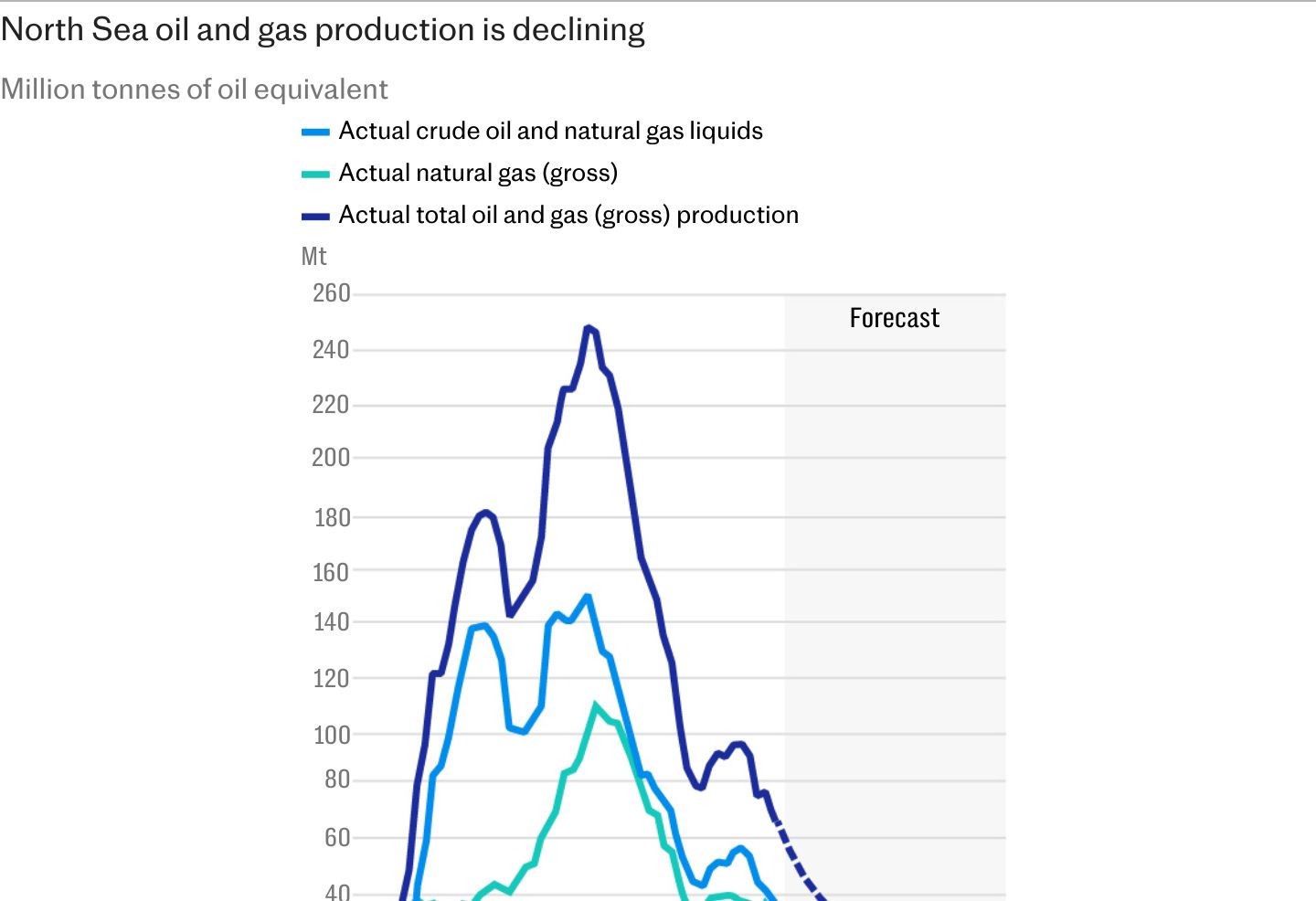
‘Confidence is badly shaken’
To some observers, this is evidence that repeated tax raids on the North Sea have left it almost un-investable.
Russell Borthwick, the chief executive of the Aberdeen and Grampian Chamber of Commerce, said: “This decision is another stark reminder that confidence in the UK continental shelf has been badly shaken after years of policy uncertainty, punitive taxation and mixed messages about the future of the industry.”
A windfall tax was first imposed by the Conservatives in 2022 when energy prices surged, creating a short-term windfall for energy companies. The levy began at 75pc but was increased to 78pc by the new Labour Government in 2024.
For BP, the impact was immediate. Its tax reports say that the decision cost it an extra £539m, with the company facing an overall UK corporate tax rate of 52pc – more than double the standard UK corporate rate of 25pc and far higher than what it pays in most other countries.
BP’s tax reports warn that the UK’s energy profits levy (or windfall tax) had “created significant uncertainty for the UK’s oil and gas industry”.
At the same time, Ed Miliband, the former energy secretary, imposed a ban on new oil and gas exploration as part of Labour’s net zero policies.
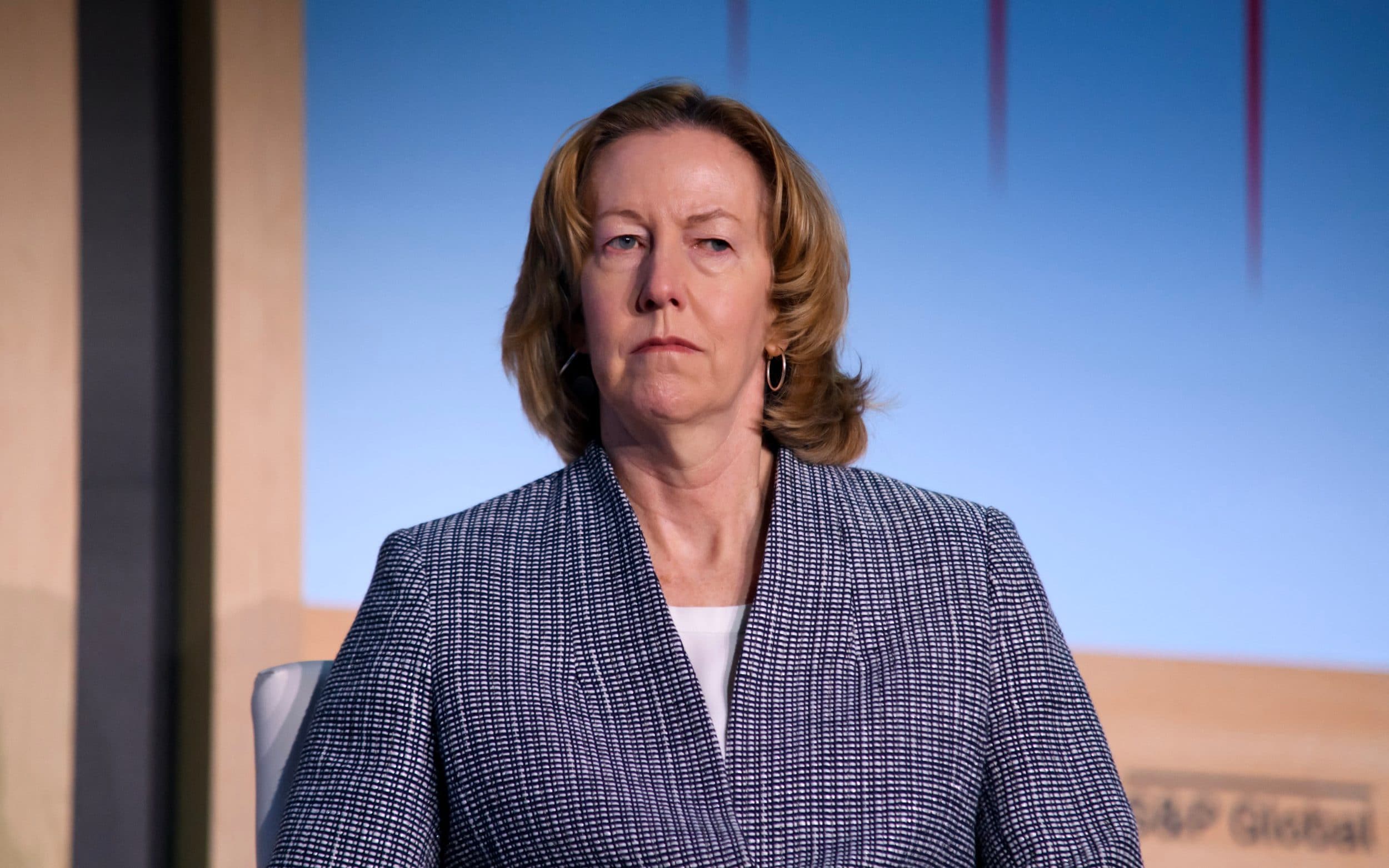
Meg O’Neill says BP wants to ‘direct capital to our highest-value opportunities’ - Mark Felix/AFP via Getty Images
The combination of punitive tax raids and a clear signal from the Government that oil and gas did not have a long-term future in Britain has driven companies out of the North Sea.
Advertisement
Shell, Britain’s other major oil company, has already engineered a partial exit. It moved all its UK offshore assets into Adura, a 50-50 joint venture with Equinor. Other oil giants such as Chevron and ConocoPhillips have sold assets to smaller independents.
BP’s North Sea business remains potentially highly profitable. For example, the Clair field – the largest oil field ever found on the UK continental shelf – still contains seven billion barrels, making it one of BP’s most valuable assets in the looming sale.
The same applies to the Eastern Trough Area Project (ETAP), a network of fields in the central North Sea east of Aberdeen linked by a network of pipes and hubs. It is a key UK fuel producer with the Seagull and Murlach fields opening in the last three years.
Altogether, BP holds interests in 20 to 25 active UK fields, which are potentially profitable for years to come.
Time running out
But the question now is: who will buy into the North Sea? A deal to sell the North Sea business for £2bn to Ithaca Energy, a smaller Scottish oil company, fell apart earlier this year.
This is not just a business matter. Miatta Fahnbulleh, the Energy Secretary, said the North Sea was “a vital national asset” and confirmed she was in close contact with BP about safeguarding jobs. She also repeated Burnham’s promise to take a “pragmatic approach” to the oil basin.
But time may be running out to do so. Dave Doogan, the SNP’s Westminster leader, said: “Workers don’t want thoughts or warm words from the Prime Minister, we need decisive action to safeguard jobs, energy security and confidence in the North Sea.
“The destruction of one of Scotland’s foremost industries is happening right before our very eyes.”
The Tories are calling for Burnham to scrap Miliband’s ban on new licences in the North Sea and immediately approve Jackdaw and Rosebank, two projects that have been held up by legal and political wrangling.

Andy Burnham faces pressure on both sides over whether to open up the North Sea to more drilling - Brook Mitchell/Getty Images
Beyond the North Sea, there are also questions about BP’s commitment to Britain. The company remains headquartered in the UK and O’Neill says Britain “will continue to play an important role in our future”.
But BP has been withdrawing from the UK for some time. Earlier this year, it confirmed plans to sell most of its stake in Net Zero Power, a project to build a gas turbine power plant on Teesside that would be the first equipped with carbon capture technology.
It is also preparing to sell a 20pc stake in Northern Endurance Partnership, a scheme to transport carbon dioxide from carbon-capture projects in north-east England and store it under the seabed in the North Sea.
Its remaining UK assets include the Air BP business, which provides aviation fuel and services at more than 60 locations nationwide, as well as a network of petrol stations and one of the UK’s largest electric vehicle charging networks.
All of these could be run by a subsidiary, while its London-based trading and shipping business could easily be moved.
For now, BP insists it is committed to Britain. But investors seem to like the idea of it quitting: within an hour of announcing its North Sea departure, BP’s shares had risen by almost 1pc.
If that comes to pass, Burnham’s North Sea headache would go from bad to worse.
Source: “AOL Money”
